Original site in English

Organic Broadcaster: Winter 2026

Volume 34 - Issue 1

Of pigs, pests, flax, and organic seed.


In This Issue

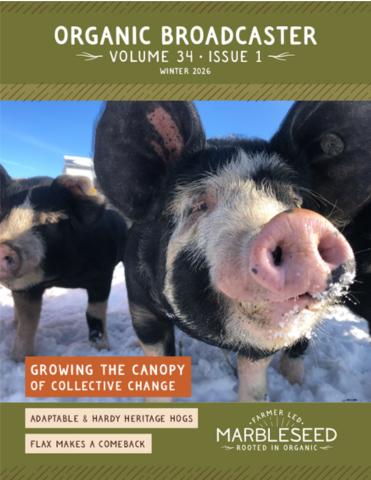
Adaptable & Hardy Heritage Hogs the rise of pastured pork

While pastured beef, chicken, eggs, and lamb are gaining traction in the American food landscape, pastured pork is less common outside of direct-to-consumer sales and a downright rarity in grocery stores.

by Sara Mooney, Marbleseed

The Organic Vegetable Growers’ Virtual Toolkit for Pest and Disease Management

Most organic vegetable growers I know would say that’s the understatement of the year. Trying to manage pests and diseases with all the other aspects of farming can sometimes bring more questions than answers. Is this a disease or nutrient deficiency? Who munched my seedlings down to the ground? Sometimes we might not even know what kind of weird-looking bug we’re looking at. Is it friend or foe?

by Ariana Abbrescia, Organic Transition Outreach Specialist, UW-Madison Extension

Sprayers for Small Scale Organic Fruit Farms

There are multiple options available for smaller organic fruit growers. Here is a summary of the main types of sprayers, including advantages and disadvantages, based on my experience and interviews with growers in the Upper Midwest.

by Chris McGuire

Why Regional Seed Systems Matter Now More Than Ever

Despite steady growth in organic acreage and consumer demand, the percentage of organic seed used on certified organic farms has remained largely unchanged over the past two decades. The 2022 State of Organic Seed Report (an ongoing project of the Organic Seed Alliance updated every five years) makes this tension clear: Organic farmers overwhelmingly support the idea of organic seed, but structural barriers like availability, scale, price, and varietal fit, continue to limit adoption. As a result, exemptions that allow untreated conventional seed have become routine rather than transitional.

by Dylan Bruce, Driftless Seed Supply

Bird-Friendly Farming

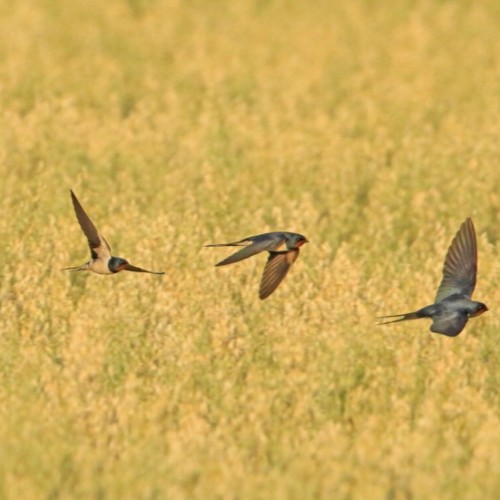
The overwhelming majority of songbirds provide tangible benefits to farms during the nesting season, when adults deliver hundreds of insects each day to their nestlings. At Keewaydin, more than 40 species of birds make their homes on the farm at some point in the year.

by Ashley Chesser, Wild Farm Alliance

Restoring the Midwest’s Fibershed: A Conversation with Flax Advocate Leslie Schroeder

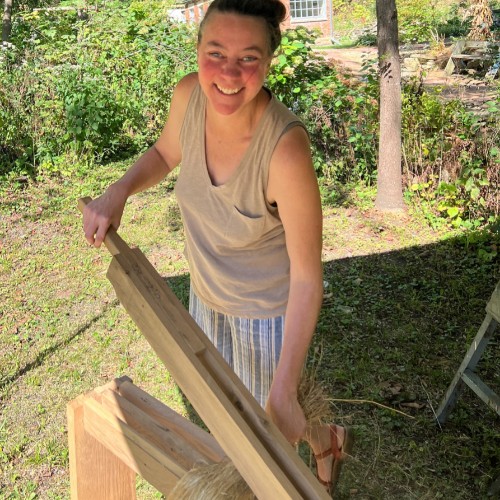
Flax is making a comeback. The plant, which was brought to North America by European immigrants as early as the 1600s, was widely grown as a source of fiber, oil, and food. Before the rise of petroleum-based products, linseed oil was the most common wood-finishing varnish. It was also used to make linoleum and as a primary ingredient in paints. Its fiber was processed into linen, a soft and durable material that eventually gave way in popularity to cotton and synthetic fibers.

by Marbleseed

An Invitation to Stewardship: Crafting a New Story in Agritourism

Agritourism enterprises come in all shapes and sizes and are embedded within farming operations that raise a variety of crops and animals. Corn mazes, u-pick orchards, fiber workshops, and farm-to-table meals have all become familiar offerings across rural spaces. According to a nationwide survey conducted in 2024 by Penn State University, most farmers engaging in agritourism have several things in common. More than 50% are operations of 50 acres or less, generating between $1,000 and $99,000, with fresh fruit and vegetable production and livestock as the primary agricultural activity.

by John Beaton, Fairhaven Farm, Duluth, MN

Download PDF