
By Ashley Chesser, Wild Farm Alliance
Publication
Winter 2026
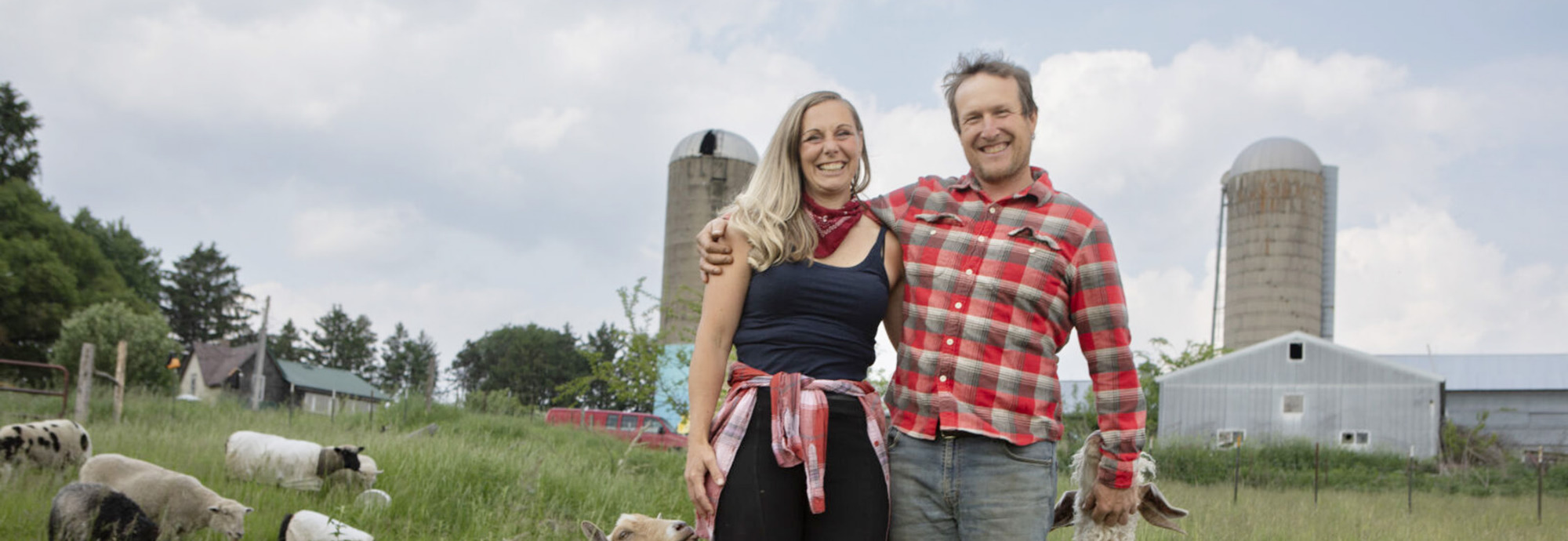
Unlatching the gate to the livestock pen with a bucket of grain in hand, a tapestry of sounds envelops Joy Miller. Sheep and goats punctuate the air with their hungry cries. A soft rush of wind moves through the nearby prairie grasses. In the distance, the hum of a tractor can be heard. And weaving through it all are the calls of Barn Swallows, diving and twisting through the sky as they search for food.
To Joy and her husband, Rufus Haucke, the chorus of swallows is more than a pretty soundtrack – it’s an indicator of a healthy farm. The couple operates Keewaydin Farms in Viola, WI, where the birds play an integral role in their operation. Their appreciation for birds is proudly reflected in the 20-foot-tall avian mural that adorns their silo.
Songbirds as Natural Pest Managers
The overwhelming majority of songbirds provide tangible benefits to farms during the nesting season, when adults deliver hundreds of insects each day to their nestlings. At Keewaydin, more than 40 species of birds make their homes on the farm at some point in the year.
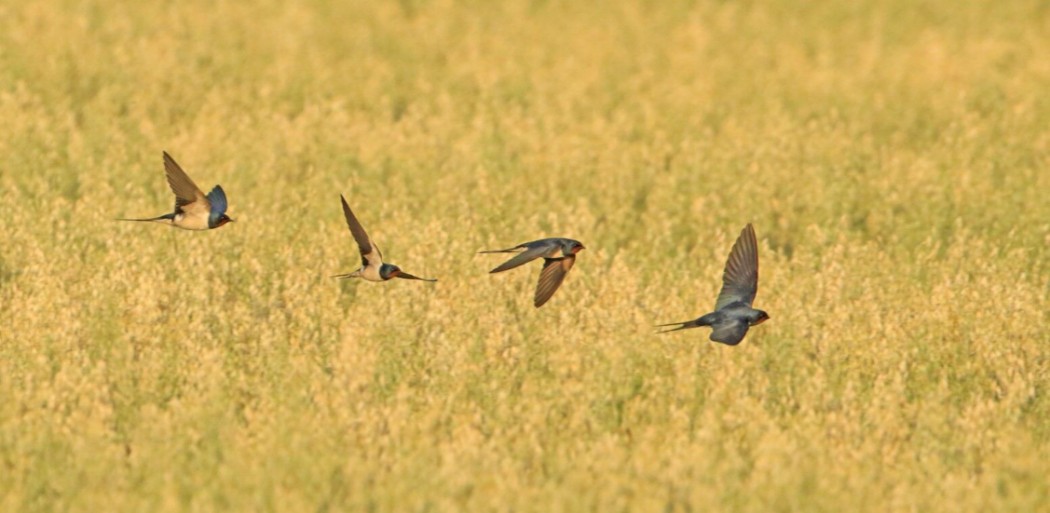
Each one contributes its own ecological service. Common Yellowthroats and Eastern Meadowlarks devour grasshoppers in the pastures. House Wrens and Eastern Bluebirds hunt pest caterpillars and moths. Barn and Cliff Swallows swoop through the livestock areas in constant pursuit of flies, providing relief for the sheep.
Swallows play an important role in reducing fly strike, a painful condition caused when flies lay eggs in soiled wool. By keeping fly pressure low, swallows help Keewaydin’s sheep maintain clean, healthy coats and avoid tail docking, a common management method used on farms when fly populations are too high.
“Biodiversity is a big part of our farm,” Joy says. “We grow at least 50 different types of organic vegetables, as well as fruits, herbs, and flowers. And it’s really cool to have the birds come along with us through our season.” As pests increase during the summer months, bird songs and activity reach their peak. When the season slows, the birds quiet or migrate. “It’s a really beautiful symbiosis,” she adds.
For Rufus, birds reflect a broader philosophy about farming. “We can perform agriculture out here, feed people, but do it in a way that also enhances wildlife. Instead of trying to work against nature, we're trying to work with it.”
Working with nature starts with giving birds what they need to thrive—safe shelter, food, water, and habitat. The result is a farm where birds flourish and farmers reap the rewards of natural pest control. Below are five key steps organic growers can take to attract beneficial birds, strengthen farming systems, and support resilient ecosystems.
Five Ways to Make Your Farm More Bird-Friendly and Resilient
1 - Identify the birds you have or want to attract
The best place to begin is simply observing what’s already present. Establishing a baseline of bird species and monitoring them over time can help farmers understand which practices are working and how bird communities shift across seasons. Luckily, you don’t need to be a bird expert to get started. Cornell Lab of Ornithology offers several free, user-friendly tools, including the Merlin Bird ID app and All About Birds, that help identify birds by sight or sound.
“One of the easiest things you can do is just go out into your fields and observe,” Rufus advises. “Then you can start tailoring your farm to the species that are already there.” These tools also help farmers decide which species they may want to attract through habitat improvements or structures.
2 - Put Up Nesting and Perching Structures
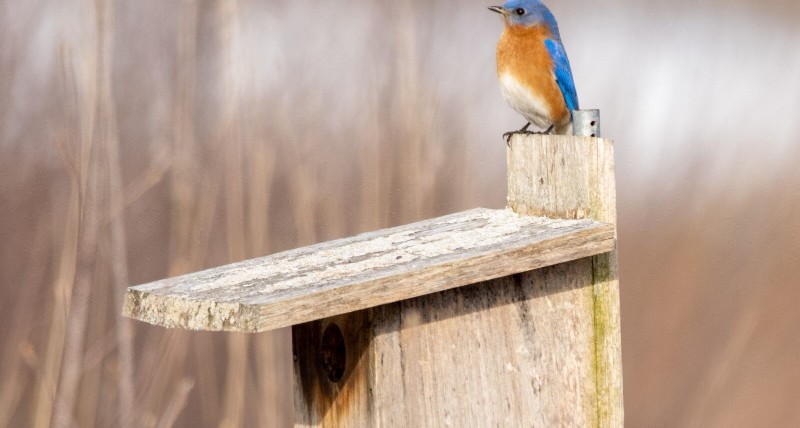
Nest boxes and perches give beneficial birds a safe foothold on the farm. But nest structure design matters. Each nest box must be built or selected with the target species in mind, especially the entrance hole size, which determines what birds can enter and what ones are excluded. Eastern Bluebirds and Tree Swallows, for example, use the same hole size, whereas the invasive European Starling needs a larger entrance hole.
Nest boxes are inexpensive, widely available, and provide enormous ecological value. The Wild Farm Alliance (WFA) publication Nesting Structures for Beneficial Songbirds on Midwest Farms includes detailed instructions on spacing, placement, predator guards, and long-term maintenance
Farmers can also plant living perches, tall annuals like sunflowers, sorghum, or other sturdy plants. Living perches invite insect-eating birds into crops, where they can hunt pests more effectively. These plants may also attract beneficial insects, act as trap crops, or provide marketable flowers.
3 - Conserve and Install Bird-Friendly Habitat
Birds move onto the farm more readily when their dietary needs are met close by. The most effective habitat resembles the natural ecosystem a species evolved to use. For woodland birds, this means providing structural diversity, layers of trees, shrubs, and understory plants, often found in hedgerows, windbreaks, or riparian corridors. Larger, taller, and wider woody plantings offer more nesting and feeding options and attract a broader suite of species.
Grassland birds, on the other hand, prefer open fields dominated by grasses and forbs and avoid areas with shrubs and trees. Creating or maintaining habitat strips, restored prairies, or field borders supports many grassland species declining across the Midwest. Isolated habitat patches are most effective when connected to other features, pollinator plantings, riparian areas, wetlands, or larger woodlands, creating a mosaic of feeding and nesting opportunities.
Water is another critical component. Birds need safe places to drink and bathe. Ponds, wetlands, creeks, or even dripping irrigation systems can attract birds and increase nesting success. To select plants that best support birds, farmers can use WFA’s Beneficial Bird Native Plant Chart for the Upper Midwest, which highlights 160 native species that provide various benefits for birds.
4 - Create a Safe Environment for Birds
Bird-friendly farms must also avoid becoming an ecological trap—areas that attract birds but expose them to harm. WFA’s resource Protecting Birds in Agricultural Landscapes outlines three areas to consider:
• Pesticide Risks - Both conventional and organic pesticides can pose serious risks to birds, either through direct exposure or by reducing their insect food base. If pesticides are necessary, farmers should select products least harmful to birds, apply only when needed, and follow safety guidelines that reduce drift and contamination.
• Cover Crop Termination - Ground-nesting birds often use cover crops for food and shelter. Terminating cover crops during nesting season can inadvertently destroy nests. Planning termination timing and methods with birds in mind protects wildlife while maintaining farm goals.
• Safe Nest Box Placement - Nest boxes placed near non-farm roads or high-traffic areas can increase risks from noise, predation, and vehicle collisions. Locating boxes away from high-disturbance areas increases nesting success.
5 - Join Wild Farm Alliance’s Farmland Flyways Trail
Farmers across the country are supporting birds with nesting and perching structures and habitat, and Wild Farm Alliance is helping connect these efforts through the Farmland Flyways Trail. Farmers in this growing network are thinking beyond their individual farms and regions, creating connectivity for migratory birds within the four major migration flyways. The Trail inspires more farmers to support birds and showcases farmers who integrate birds into their operations. Joining the Trail is a powerful way to highlight your conservation efforts and contribute to a larger, landscape-scale impact. Learn more at: https://www.wildfarmalliance.org/trail
Takeaways
Bird-friendly farming is not just a strategy, it’s a partnership with nature that strengthens organic systems. Joy and Rufus show that when farmers make space for birds, birds repay the favor with pest control, healthier livestock, and a more vibrant farm ecosystem. Whether you manage two acres or two thousand, integrating birds into your farming practices builds resilience, promotes ecological balance, and enhances the long-term sustainability of our food systems.
To explore more strategies for supporting beneficial birds and managing pest birds, download WFA’s guide: https://www.wildfarmalliance.org/bird-guide
About
Founded in 2000, Wild Farm Alliance promotes farming systems that protect and restore wild nature while supporting viable agriculture. Through tools, resources, and on-the ground partnerships, WFA helps farmers integrate habitat, strengthen biodiversity, and create landscapes where farms and wildlife thrive together.
Author Bio: Ashley Chesser, Communications Director of Wild Farm Alliance, is an avid gardener and advocate for creating healthy habitat on farms and in community spaces. She has more than 10 years of previous nonprofit communications, development, and leadership experience. Most recently, she served as a co-director for the Northwest Center for Alternatives.