
Leaning Into Winter
Published: Nov 2025
By: Jennifer New
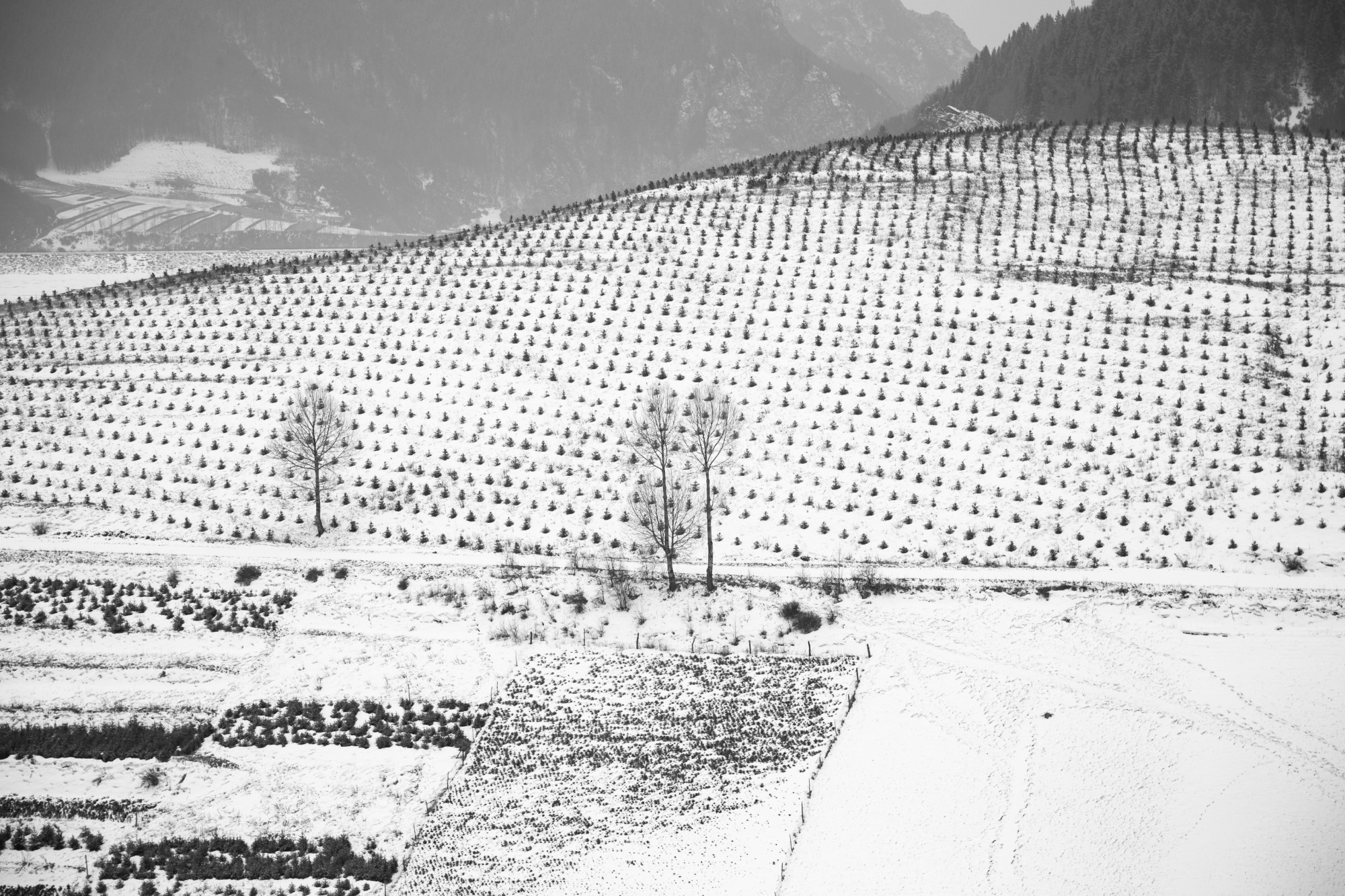
I am writing this on the cusp of the first hard frost here in Iowa. It’s been a mild fall, and I’ve put off preparing the garden and house for colder temperatures. I can chalk some of that up to busyness but most of it to denial.
After a lifetime of resisting winter, however, I’m coming into a new relationship with the period that stretches between November and March. I feel more invitational and accepting toward it as much needed time to reset. Frigid temperatures require an inwardness to both conserve resources and create new ones through reading and cooking. The stillness and quiet offer lessons that are harder to discern in the go-go noise and activity of spring and summer.
In her book Wintering, which elucidates the often-overlooked pleasures of this season, Katherine May writes, “Plants and animals don’t fight the winter; they don’t pretend it’s not happening and attempt to carry on living the same lives they lived in the summer. They prepare. They adapt. They perform extraordinary acts of metamorphosis to get them through. Wintering is a time of withdrawing from the world, maximizing scant resources, carrying out acts of brutal efficiency and vanishing from sight; but that’s where the transformation occurs. Winter is not the death of the life cycle, but its crucible.”
RESISTING REST
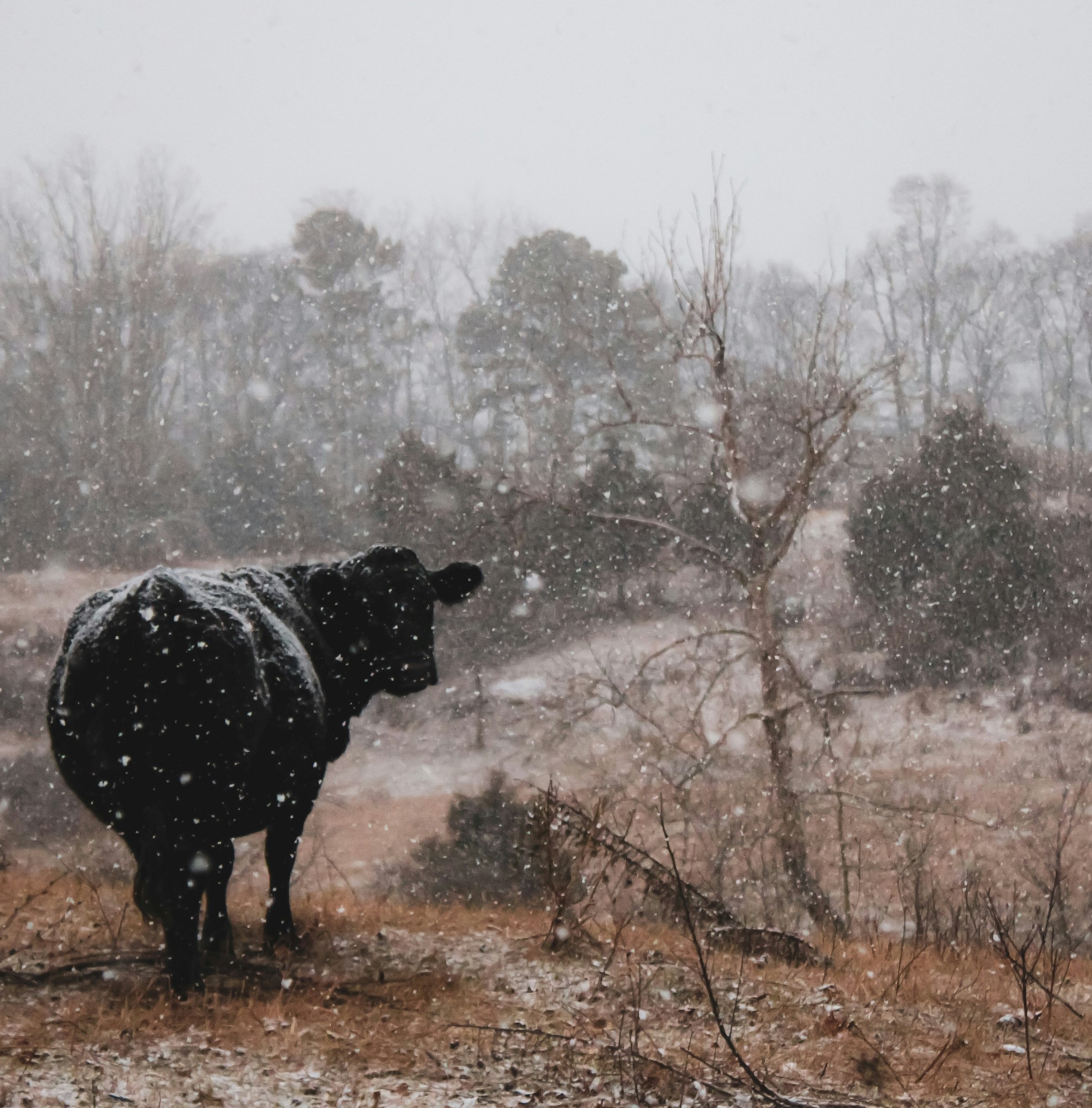
As animals teach us, a key purpose of winter is to lean into resting. Those fat bears that have become popular in recent years understand this; they put on pounds so they can hibernate, sustaining themselves over months when food sources are scant.
Rest, however, is not something our culture does well. We celebrate work. Whether it’s paid or unpaid, we define ourselves by our labor on land, with family, and in offices. I have an inner voice that chides me when I rest: Get up! Do something! Don’t be lazy! Perhaps you have your own voice.
Even when we “know better,” it’s difficult to resist this cultural messaging. Sofia Caraccia, Marbleseed’s Farmer Education Specialist and a Chicago-based grassroots activist says, “In recent years, I've found the colder months to be especially challenging, particularly within a system that rewards overwork and constant productivity.” She adds that she is trying to “lean into the colder seasons as a period of necessary rest.”
Sofia’s words echo those of Tricia Hersey, author of Rest Is Resistance, who draws attention to the politics of rest and lack thereof: “My rest as a Black woman in America suffering from generational exhaustion and racial trauma always was a political refusal and social justice uprising within my body. I took to rest and naps and slowing down as a way to save my life, resist the systems telling me to do more and most importantly as a remembrance to my Ancestors who had their Dream Space stolen from them. This is about more than naps. It is not about fluffy pillows, expensive sheets, silk sleep masks or any other external, frivolous, consumerist gimmick. It is about a deep unraveling from white supremacy and capitalism. … Rest pushes back and disrupts a system that views human bodies as a tool for production and labor. It is a counter narrative. We know that we are not machines. We are divine.”
A TIME FOR DREAMING
Those who are working the land at a small and human scale know very well that we are not machines. Achey joints, bruised muscles, wind burned skin remind us. And the longing to be with the land, to choose forms of labor that bring us in step with seasonal cycles, are forms of resistance to contemporary mechanization.
I am not suggesting we turn off the lights and reemerge in March. But can we notice the different pace of this season?
Farmer and business coach (and upcoming Marbleseed webinar facilitator) Ryan Erisman writes, “Regardless of what work I do in the day, winter grants long evenings: reading time, spreadsheet time, going over all the numbers from last year and planning the next. I run and work out much more regularly in winter because I have the time. Winter is also ‘conference season,’ where I binge on socializing, learning, and dreaming up better ideas for the farm.”
So yes, there is plenty of work, much of which has its own seasonal flavor – reflecting on successes and defeats from the previous growing season, mulling data, researching new strategies. Can we also invite winter in and notice how we resist its inherent lessons? Winter can teach us about more than the annual cycle of light and dark, warm and cold. It provides wisdom to sustain us in difficult times and good ones, as we move from youth into ageing, and navigate austerity and bounty.
Next summer on a sweltering day when you’re up at dawn and working until the dark that doesn’t come until 9 pm, you might even pause and feel thanks for the extra slowness you allowed your winter self. To return to May, “We have seasons when we flourish and seasons when the leaves fall from us, revealing our bare bones. Given time, they grow again.”