
National Sustainable Ag Coalition Visits Washington DC
Published: Mar 2026
By: Lori Stern
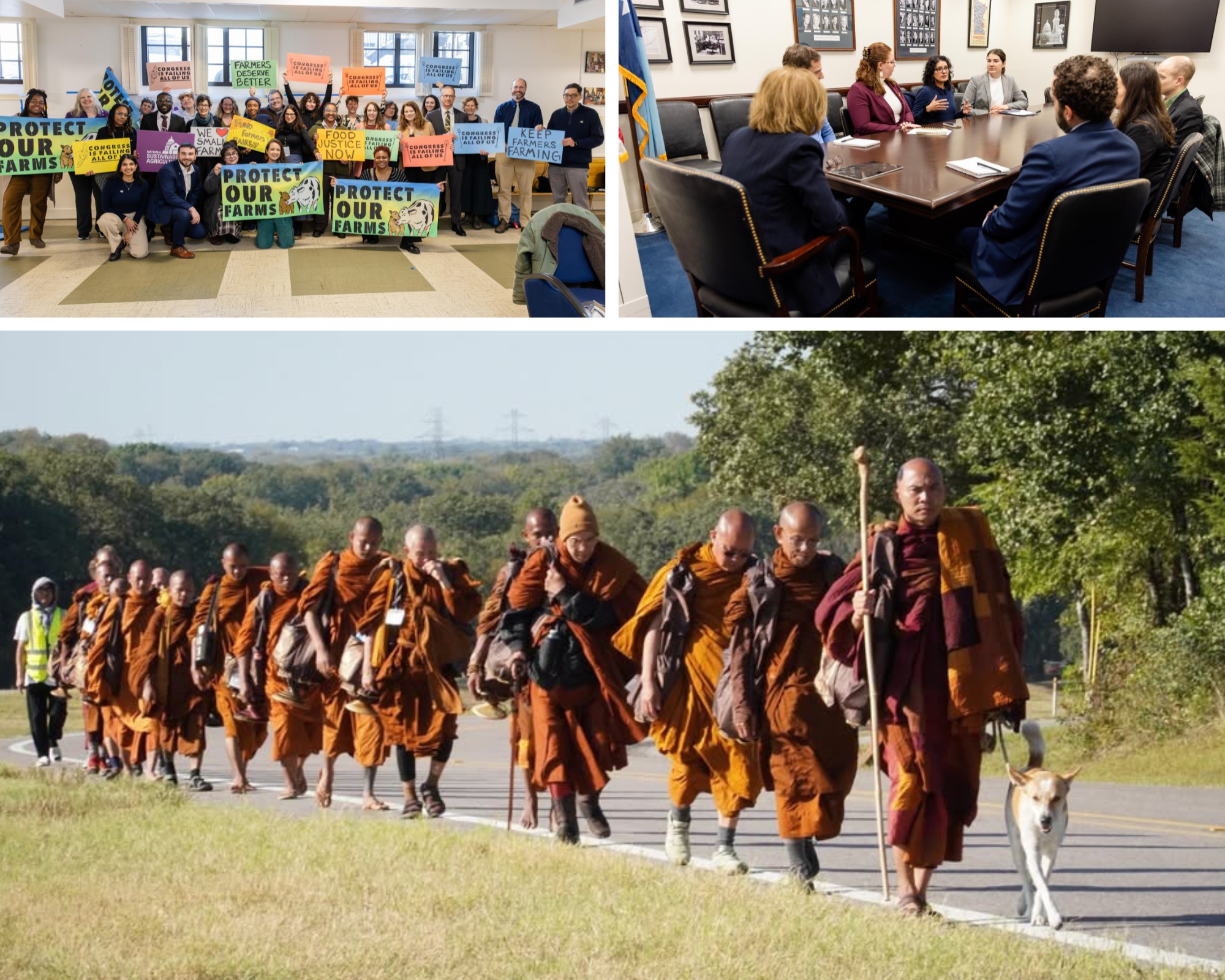
I attended the annual National Sustainable Ag Coalition (NSAC) winter meeting the second week of February this year. The meeting kicked off with a “Hill Report” from NSAC’s Policy Director, Mike Lavender. The looming question continues to be the fate of the expired 2018 Farm Bill. Given the OBBBA passed last fall that included several of the programs contained in the Farm Bill’s 12 titles, we were all still intrigued by a potential re-awakening of the Farm Bill process at this point, now termed by some to be a ‘skinny’ version.
We were given updates on the appropriations process, another way that members of Congress can influence policy and support efforts using their ‘power of the purse’. Of greatest concern to most of the coalition members were cuts to conservation programs and programs that feed vulnerable adults, including seniors, young children, and kids in schools. Also, the termination of the USDA workforce is resulting in lower levels of service and access at every level.
While we were in D.C. streets closed and security was heightened as our visit coincided with the “Walk for Peace”, a pilgrimage made by 24 monks and their street dog, starting in Texas and arriving in the national capitol an auspicious 108 days later. It was hard to muster enthusiasm for the requisite visits to Congressional offices when something as quietly transformative as “Walk for Peace” was unfolding nearby. But we dutifully gathered in small teams by state delegation, coming from different organizations. We strategized and assigned roles for each member of Congress we planned to visit.
And while the monks were gaining media attention and enthusiastic support, we learned about a Farm Bill version from the House Ag Committee that would upend some of our scheduled meetings. Where likely there would be little deviation from the version drafted last fall.
Nutrition programs made up almost 80% of Farm Bill program expenditures in 2018. Although a focus of the Republican led Congress’s deep cuts, the reality is that several of these programs DO fund farmers directly. In Wisconsin and states across the Midwest, we saw the profound impact that the Local Food Purchase Assistance and Farm to School programs had on the viability and business growth of small farms in our communities, not to mention the health of eaters!
It was exciting to see that these programs have been acknowledged and potentially authorized under the recently released House Ag Committee version of the Farm Bill, although not nearly at the level of funding these popular programs warrant.
Since leaving D.C., the details of the House Ag Committee Farm Bill have been published and analyzed. G.T. Thompson, the majority Chair of this committee, is stumping in Illinois for this effort. The monks have returned to their Texas temple. The Marbleseed community gathered in La Crosse for our 37th Annual Organic Farming Conference.
Any of these are potential vehicles for change—change from within, collective care found in community, and systemic supports that are a result of policy and appropriations. They all have transformative power. I recall a sign from Tractorcade to D.C., a different kind of pilgrimage made by farmers across the country in 1979: “If you don’t want to get involved, stop eating.” The current moment asks not if we want to be involved, but how to be involved. How are you walking toward change?
For more information on efforts to impact appropriates or the emerging Farm Bill:
- Sign up for the Marbleseed e-news and e-blasts.
- Learn more about the 12 Farm Bill titles described in “Title-by-Title Summaries of the 2018 Farm Bill” from the Congressional website. There are many programs contained in he Farm Bill that affect more people and industries than food and farming.